
Guidance on Nurturing Plants and Pruning Techniques
Nurturing Plants
Plants are a wonderful addition to any home or garden, bringing beauty and life to your surroundings. To ensure your plants thrive, follow these essential nurturing tips:
- Watering: Provide the right amount of water based on your plant's needs. Overwatering can lead to root rot, while underwatering can cause wilting.
- Sunlight: Place your plants in locations where they can receive adequate sunlight based on their specific light requirements.
- Soil: Use high-quality soil that is suitable for the type of plants you are growing. Consider adding fertilizers for optimal growth.
- Temperature: Maintain a suitable temperature for your plants, avoiding extreme cold or heat that can stress them.
- Pruning: Regularly remove dead or overgrown parts to promote healthy growth and prevent diseases.
Pruning Techniques
Pruning is a crucial practice that helps maintain the health and appearance of your plants. Here are some pruning techniques to keep in mind:
- Deadheading: Remove spent flowers to encourage new blooms and prevent the plant from wasting energy on seed production.
- Thinning: Eliminate excess branches to improve air circulation and light penetration, promoting overall plant health.
- Heading Back: Cut back long stems to encourage bushier growth and create a more compact plant shape.
- Crown Pruning: Remove upper branches to enhance the structure and appearance of trees or shrubs.
- Rejuvenation Pruning: Cut back old or overgrown branches to stimulate new growth and revitalize the plant.
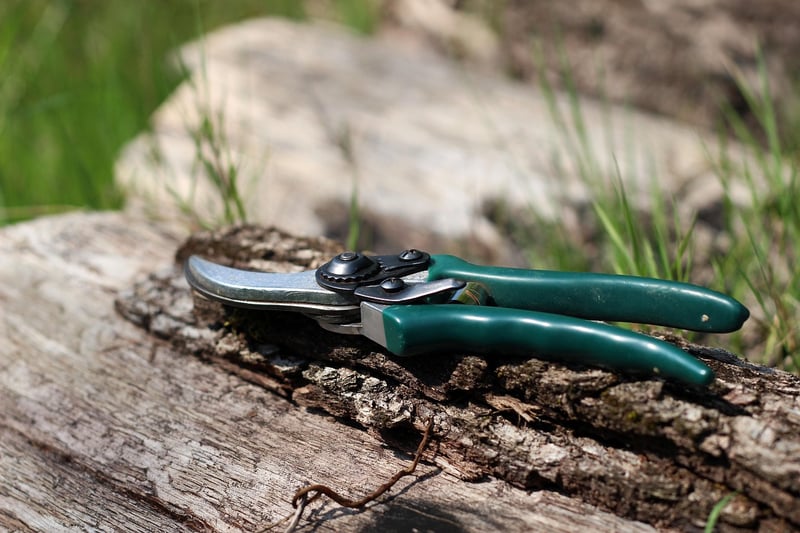
Remember, pruning should be done with sharp, clean tools to make precise cuts without causing unnecessary damage to the plant. It's essential to understand the specific pruning requirements of each plant species to achieve the best results.

By following these nurturing and pruning techniques, you can ensure that your plants not only survive but thrive, bringing joy and beauty to your surroundings for years to come.